

Prostate Cancer Consultation in Montego Bay, Jamaica
Get physician-led guidance on your PSA, biopsy findings, diagnosis, treatment recommendations and the questions you want clarified before deciding what comes next.

Understanding Your Prostate Cancer Diagnosis
A prostate cancer diagnosis can involve several pieces of information, including PSA levels, biopsy findings, tumour grade, imaging and stage. The consultation helps you understand how those pieces fit together and what questions may still need clarification.
- PSA levels & PSA trend over time
- Biopsy pathology findings
- Tumour grade (Gleason score / Grade Group)
- Clinical stage & staging scans
- MRI or other pelvic imaging findings
- Urinary or sexual symptoms
- Overall health & personal priorities
- Proposed treatment recommendations
PSA, Biopsy Results & Gleason Score

PSA Results
Review what your PSA result means in the context of the other information available — evaluated as a trend and alongside examination, not as an isolated number.
Biopsy Findings
Discuss the pathology findings, number of positive cores and tissue characteristics to understand what they contribute to the diagnosis.
Gleason Score & Grade Group
Clarify how tumour grade relates to risk, how cells look under the microscope, and how grade informs treatment discussions.
Questions About Prostate Cancer Treatment
Treatment decisions may depend on stage, tumour characteristics, overall health, personal priorities and recommendations from your oncology or urology team.
Teshuva does not replace the surgical or radiation teams delivering conventional treatment. The purpose of this consultation is to help you understand, review and discuss those recommendations with clarity.
Active Surveillance
For certain lower-risk or slow-growing prostate cancers, structured monitoring with scheduled PSA tests, imaging and repeat biopsies may be discussed rather than immediate treatment.
Surgery
Prostatectomy involves removing the prostate gland. The consultation reviews how surgical recommendations compare with other approaches and what questions to discuss with your urologic surgeon.
Radiation Therapy
External beam radiation or brachytherapy (internal seed radiation) may be recommended alone or alongside hormone treatment depending on tumour characteristics.
Hormone Therapy
Androgen deprivation therapy (ADT) lowers testosterone levels to slow cancer growth in specific risk categories, often combined with radiation or used for advanced disease.
Systemic Treatment
Targeted agents, chemotherapy or newer systemic therapies may be considered in higher-risk or metastatic cases, depending on clinical recommendations.
Considering a Second Opinion for Prostate Cancer?
If you already have a diagnosis or treatment recommendation, another physician review can help clarify the pathology, staging, proposed treatment and the questions you may want to take back to your treating team.

- What the pathology and biopsy report actually mean
- How tumour risk has been categorised (Gleason / Grade Group / Stage)
- Why active surveillance, surgery, or radiation was recommended
- What questions to discuss with your treating urologist or oncologist
- What trade-offs or alternatives may be worth reviewing

Treatment Side Effects & Quality of Life
Prostate cancer treatment can raise questions about urinary symptoms, sexual function, fatigue, hormone-related changes and recovery. These concerns can be discussed alongside the medical treatment plan.
Urinary Function
Questions about urinary control, urgency, flow changes or catheter care during recovery, and what can be discussed with your treating surgeon or urologist.
Sexual Health
Understanding erectile function, nerve-sparing considerations, timeline for recovery, and realistic expectations before and after surgical or radiation therapy.
Fatigue & Hormonal Changes
Managing tiredness, changes in muscle mass, bone health or hot flashes that may accompany androgen deprivation therapy (hormone therapy).
Recovery & Daily Function
Practical guidance on nutrition, gentle movement, pelvic floor awareness and restoring stamina as you transition back to daily life.
Integrative Support During Prostate Cancer Care
Nutrition, supplements, symptoms and complementary approaches may also be part of the conversation, but they should be reviewed in the context of your diagnosis and current treatment.
Integrative care does not replace surgery, radiation or hormone therapy. The aim is to evaluate safety, avoid interactions and support your body through the demands of prostate cancer treatment.
Questions You Can Bring to Your Prostate Cancer Consultation
What do my PSA and biopsy results mean together?
What does my Gleason score or Grade Group mean?
What stage is the cancer?
Why has this treatment been recommended?
Are there other options worth discussing?
What side effects should I ask about?
What should I ask my urologist or oncologist?
How might supportive care fit around treatment?
What to Bring to Your Consultation
Bring what you already have. You do not need a perfectly organised medical file.

- PSA results and PSA history where available
- Biopsy / pathology report
- MRI, CT, or bone scan reports
- Staging information
- Treatment recommendation from your doctor
- Current medication list
- Supplement list
- Questions you have written down
None of these documents are strictly mandatory to begin the conversation. We start with whatever information you currently have.

You Do Not Have to Arrive With Everything Organised
Whether you have a full folder of reports or only the information you have received so far, the consultation can begin from where you are.

Meet Dr. Andre Williams
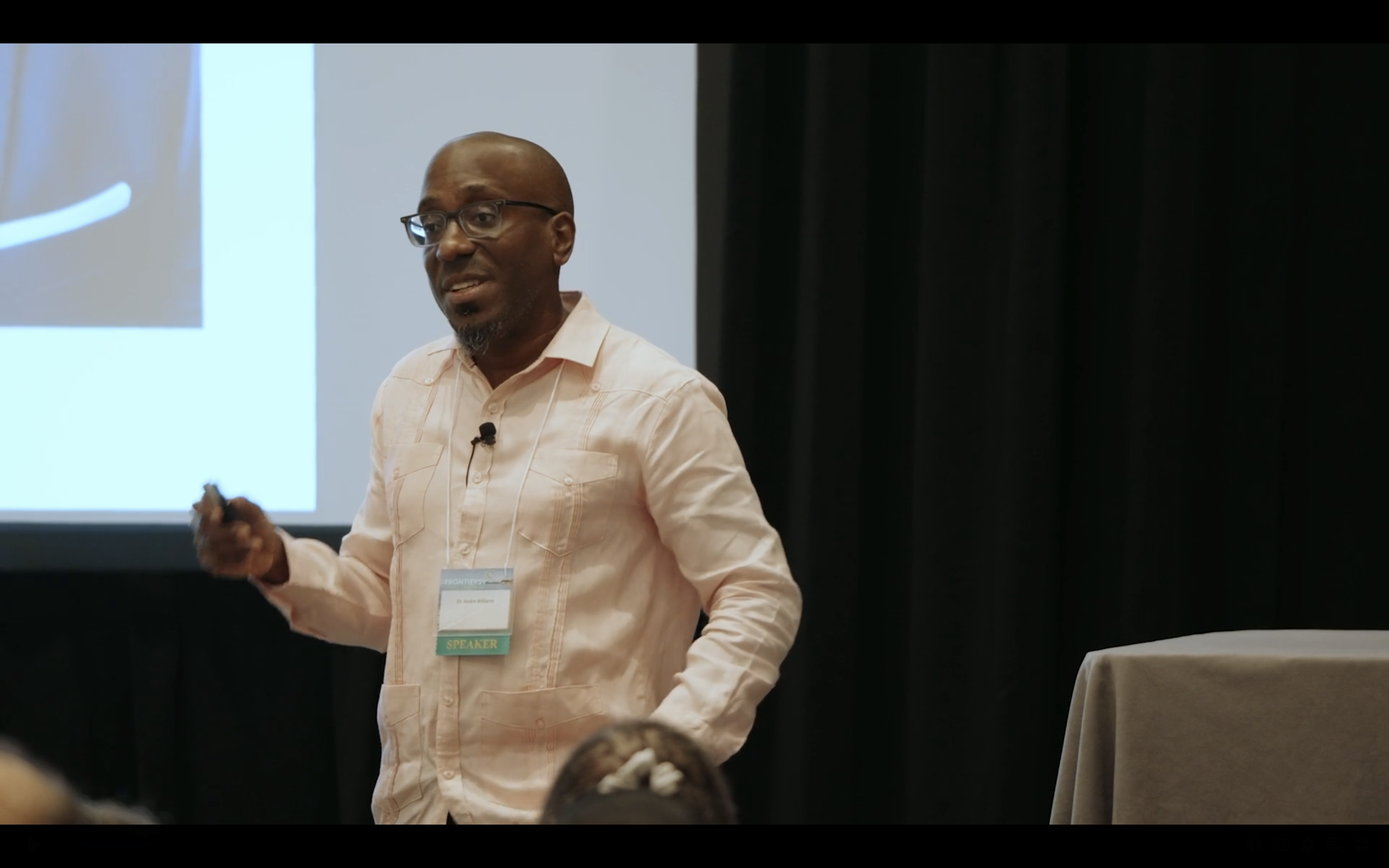
Dr. Andre Williams brings a medical background in haematology and oncology together with integrative and naturopathic approaches to help patients review cancer-related information in a broader clinical context.
What Happens During a Prostate Cancer Consultation
Review
PSA, biopsy, imaging, diagnosis and treatment recommendations.
Clarify
What the findings mean and what still feels uncertain.
Discuss
Treatment questions, side effects and individual priorities.
Prioritise
What deserves attention before the next decision.
Next Step
A clearer understanding of what to discuss, investigate or consider next.
Related Cancer Care at Teshuva Wellness
Cancer Second Opinion
An independent physician review of your PSA history, pathology findings or proposed treatment recommendations before you decide.
Integrative Oncology Support
Physician-led supportive care covering nutrition, supplements, symptoms and complementary therapies alongside active cancer treatment.
Holistic Cancer Consultation
A comprehensive, whole-person evaluation exploring underlying health terrain, nutrition and personal priorities.
Cancer Recovery & Side-Effect Support
Restoring energy, supporting pelvic floor function, easing treatment side effects and guiding recovery after cancer therapy.
Frequently Asked Questions About Prostate Cancer Consultation
Bring whatever you currently have: PSA test records, biopsy / pathology reports, imaging (MRI, CT or bone scans), staging notes, current medications and supplements, and any written questions. You do not need a perfectly organized file to begin.
Visit Teshuva Wellness in Montego Bay
Teshuva Wellness
Shop 7A
Sagicor Commercial Centre
Montego Bay, Jamaica
Monday – Friday: 9:00 AM – 5:00 PM
Book a Prostate Cancer Consultation
Bring the results, recommendations and questions you already have and get a clearer physician-led review before your next step.