

Cancer Prevention & Chronic Illness Consultation in Jamaica
Understand the factors that may influence your long-term health, review your personal and family risk profile, and identify practical steps that may help reduce preventable health risks.
You may be thinking about prevention for different reasons.
- Cancer runs in my family and I want to understand my risk.
- I want to know which lifestyle factors may actually matter.
- I have a chronic condition and want a broader health review.
- I want to understand whether I am up to date with appropriate screening.
- I am trying to improve my health before problems develop.
- I have been told I am at higher risk for diabetes, heart disease or another chronic condition.
- I want to understand how weight, activity, sleep and nutrition may affect my health.
- I am concerned about environmental or occupational exposures.
- I want help sorting useful prevention advice from health misinformation.
- I want a personalised plan rather than generic wellness advice.
Prevention is not about guaranteeing that illness will never occur. It is about understanding your individual risk, identifying areas that may be modifiable and taking sensible steps to protect your health where possible.

What Does Cancer Prevention Actually Mean?
Cancer prevention focuses on reducing risk where possible.
Some risk factors can be influenced through lifestyle, preventive care, vaccination, screening or reducing harmful exposures. Other factors, such as age, genetics and family history, cannot be changed.
A prevention-focused consultation helps put these factors into context rather than assuming every risk can be eliminated.
Some Risk Factors Can Be Changed. Others Cannot.
Modifiable Factors
May include:
- tobacco use
- alcohol intake
- physical activity
- nutrition
- body weight
- certain infections
- some environmental exposures
- some occupational exposures
- preventive care habits
Non-Modifiable Factors
May include:
- age
- genetics
- family history
- inherited conditions
- previous medical history
- some hormonal or biological factors
Modifiable factors matter, but they do not fully determine whether cancer or chronic illness develops. The full picture always includes factors you cannot change.
Understanding Cancer Risk
Tobacco
Tobacco exposure is a well-established risk factor for many cancers and chronic diseases.
Alcohol
Alcohol consumption can increase the risk of several cancers and other health conditions.
Nutrition
Dietary patterns may influence health and disease risk over time.
Physical Activity
Regular activity supports cardiovascular, metabolic and overall health.
Weight & Metabolic Health
Overweight, obesity and metabolic conditions may influence the risk of several chronic diseases and some cancers.
Infections
Certain infections, including HPV and hepatitis viruses, are associated with specific cancers.
Environmental & Occupational Exposures
Some chemicals, radiation and workplace exposures may influence cancer risk.

Your Family History Can Be an Important Clue
A family history of cancer or chronic disease does not mean that you will definitely develop the same condition.
However, patterns across relatives, ages at diagnosis and specific cancer types may sometimes indicate increased risk. A consultation can help organise your family history and determine whether further medical assessment, screening or genetic counselling may be worth discussing.
Teshuva does not provide genetic counselling. Where that may be appropriate, it can be discussed with the right specialist.

Prevention Also Means Finding Problems Earlier
Preventive care is not only about lifestyle. Age-appropriate screening and routine medical care can help identify certain diseases earlier, sometimes before symptoms appear.
Depending on individual risk, discussions may include areas such as:
- breast cancer screening
- cervical cancer screening
- colorectal cancer screening
- prostate-related assessment
- blood pressure
- blood glucose
- cholesterol
- other preventive checks
Screening recommendations are not universal. They depend on age, sex, personal history, family history, risk factors, current guidelines and clinical judgement — not a one-size-fits-all schedule.
Cancer Prevention and Chronic Disease Prevention Often Overlap
Metabolic Health
Blood sugar, insulin resistance, weight and metabolic health can influence long-term disease risk.
Cardiovascular Health
Blood pressure, cholesterol, activity and smoking status can affect cardiovascular risk.
Lifestyle Patterns
Sleep, movement, nutrition, alcohol and tobacco exposure may influence several chronic conditions.
Preventive Care
Routine medical review and appropriate screening can help identify problems earlier.

Prevention Should Inform You — Not Blame You
Health outcomes are influenced by many factors. Lifestyle matters, but so do genetics, age, environment, access to healthcare, infections, medical history and factors outside a person’s control.
A prevention consultation should help identify realistic opportunities for improvement without suggesting that someone is responsible for developing cancer or chronic illness.

Nutrition and Long-Term Health
A balanced dietary pattern can support overall health and may help reduce the risk of several chronic diseases. The focus should be on sustainable eating patterns rather than extreme diets or single “superfoods.”
Discussions may touch on areas such as:
- vegetables and fruit
- whole grains
- protein
- fibre
- highly processed foods
- added sugar
- saturated fat
- sodium
- portion patterns
- individual nutritional needs
No single food or supplement prevents cancer, and extreme restriction is not the goal.

Movement Is Part of Preventive Health
Regular physical activity can support cardiovascular, metabolic and overall health and is associated with lower risk of several chronic diseases.
Recommendations should be adapted to:
- current fitness
- health conditions
- age
- mobility
- treatment history
- individual ability
The aim is realistic, sustainable activity — not aggressive exercise prescriptions.
Tobacco and Alcohol Matter
Tobacco
Smoking and tobacco exposure are major preventable contributors to cancer and chronic disease risk.
Alcohol
Alcohol can increase the risk of several cancers and other chronic conditions. No amount is universally “safe.”

Sleep, Stress and Everyday Health
Sleep and stress can influence wellbeing, daily function and the management of chronic conditions. They should be considered as part of the overall picture rather than presented as direct explanations for every disease.
Stress does not “cause” cancer, poor sleep does not directly cause cancer, and positive thinking does not prevent illness. But both can be part of a broader conversation about how to feel and function better day to day.

Your Environment Can Matter Too
Some occupational, environmental and lifestyle exposures may influence health risk. Depending on the individual, it may be useful to discuss:
- workplace chemicals
- smoke exposure
- radiation exposure
- sun exposure
- environmental pollutants
- long-term occupational risks
The goal is practical awareness — not fear-based “toxin load” messaging.
What to Expect During Your Consultation
- 1
Review Your History
Discuss personal health, previous diagnoses, family history and current concerns.
- 2
Review Risk Factors
Look at relevant lifestyle, environmental, medical and family-history factors.
- 3
Review Preventive Care
Discuss whether there may be gaps in routine screening or medical follow-up.
- 4
Identify Priorities
Focus on realistic areas where changes may be most useful.
- 5
Plan Next Steps
Develop practical recommendations and identify when further medical testing, screening or specialist input may be appropriate.
What to Bring to a Prevention Consultation
Family History
Bring information about cancer and chronic illness in close relatives where known.
Medical Records
Bring relevant test results, screening results and previous diagnoses.
Medicines & Supplements
Bring a current list of prescription medicines, vitamins, herbs and supplements.
Your Questions
Write down the health concerns or risks you most want to understand.
Prevention Sometimes Means Knowing When to Investigate Further
A prevention consultation may identify reasons to discuss further assessment with a primary-care physician, specialist or other appropriate healthcare professional.
Examples may include:
This is not a complete cancer-symptom checklist, and a consultation does not diagnose from symptoms. New, persistent or concerning symptoms should be assessed by the right medical professional — not waited out.
Questions You May Want to Ask About Prevention
Explore Related Teshuva Services

Wellness Care
Whole-person wellness support for people managing ongoing health concerns and long-term wellbeing.
Explore Wellness Care
Integrative Oncology Support
Ongoing physician-led supportive care considered alongside active conventional cancer treatment.
Explore Integrative OncologyBreast Cancer Consultation
Supportive guidance for people receiving breast cancer treatment or recovering after it.
Explore Breast CancerProstate Cancer Consultation
Supportive care for men on active surveillance, hormone therapy or recovering after surgery.
Explore Prostate CancerCervical Cancer Consultation
Whole-person support for women receiving chemoradiation or recovering after cervical surgery.
Explore Cervical CancerColorectal Cancer Consultation
Gut-focused supportive care for people in treatment or recovery for colon or rectal cancer.
Explore Colorectal Cancer
Cancer Recovery & Side Effect Support
Supportive care for fatigue, nutrition, neuropathy and other treatment-related side effects.
Explore Cancer Recovery & Side Effect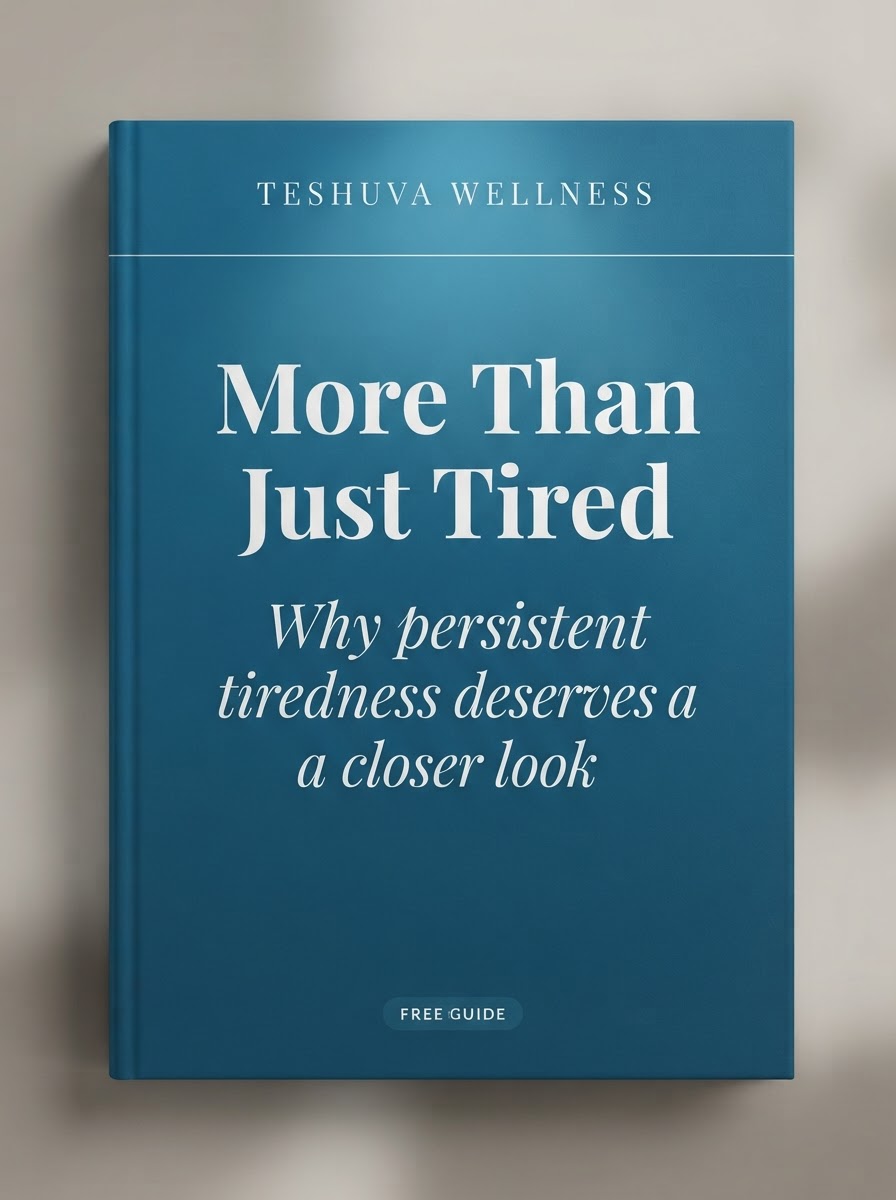
Still tired even though everything seems “normal”?
Persistent tiredness can have many possible contributors, and sometimes finding useful answers requires looking at the bigger picture.
Download Teshuva Wellness’ free More Than Just Tired guide to learn what may be worth exploring — and how to prepare for a more productive conversation about your health.
- Understand the bigger pictureExplore some of the factors that may be worth discussing when tiredness doesn’t seem to have a simple explanation.
- Know what questions to askLearn what information, patterns and health history may help create a clearer picture.
- Prepare for your consultationUse the included consultation preparation worksheet to organise your symptoms, medications, records and questions before speaking with a healthcare professional.
Free guide + consultation preparation worksheet
Frequently Asked Questions About Cancer Prevention & Chronic Illness
Cancer Prevention & Chronic Illness Consultation at Teshuva Wellness in Montego Bay
Teshuva Wellness
Shop 7ASagicor Commercial CentreMontego Bay, Jamaica
Monday – Friday: 9:00 AM – 5:00 PM
Take a More Proactive Approach to Your Health
If you want to understand your health risks, review your family history and lifestyle, or identify practical steps that may support long-term health, start with a personalised prevention consultation.